How Influencer Marketing is Empowering the Future of Fashion
In the digital age, Influencer Marketing has revolutionized how fashion brands connect with audiences. No longer confined to glossy magazine spreads or celebrity endorsements, today’s fashion storytelling happens through relatable voices — the influencers. These content creators bridge the gap between brands and consumers through authentic style expression, creative campaigns, and real engagement.
What makes Influencer Marketing so powerful is its ability to make fashion inclusive, accessible, and community-driven. From micro influencers on Instagram to large-scale celebrity influencer marketing, creators are not only shaping style trends but redefining the meaning of influence itself.
1. The Shift from Traditional Fashion Marketing to Influencer Power
Traditional fashion marketing relied heavily on exclusivity — high-end runway shows, luxury ads, and editorial coverage. But the rise of social media marketing and digital influencer strategy has democratized fashion. Anyone with a camera, creativity, and a sense of style can now inspire millions.
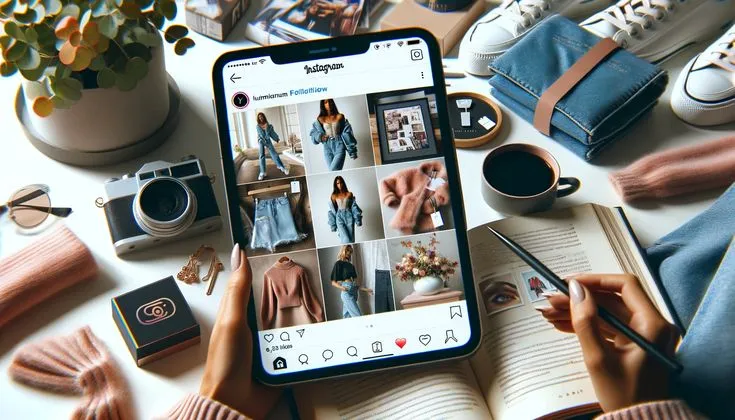
Platforms like Instagram, TikTok, and YouTube have given rise to influencer-led campaigns that generate genuine connections. Instagram influencer marketing thrives on visuals and community building, TikTok influencer campaigns spread trends at lightning speed, and YouTube influencer marketing allows for long-form storytelling like styling tutorials and brand reviews.
2. How Creators Help Fashion Brands Grow
The strength of Influencer Marketing lies in its human touch. Consumers don’t just want to see products — they want to see how real people wear, style, and live with them. This is where influencer partnerships and brand influencer collaborations come in.
Fashion labels today collaborate with content creators not just for one-off promotions but through long-term brand ambassador programs and influencer-brand partnerships. These collaborations help brands reach specific audiences, enhance credibility, and improve influencer engagement across platforms.
For instance, Zara successfully integrates user-generated content (UGC) into its influencer strategy, resharing customers’ and influencers’ outfit posts. This not only fuels community participation but also boosts brand awareness campaigns organically.
Another great example is Reformation, a sustainable fashion label that focuses on influencer promotion through creators who advocate conscious fashion. By aligning values with creators’ voices, Reformation has built a strong identity in the eco-conscious fashion market.
3. Fashion’s Move Toward Inclusivity and Representation
Perhaps one of the most positive outcomes of Influencer Marketing in fashion is inclusivity. Unlike traditional advertising that often lacked diversity, influencers represent a spectrum of identities — varied body types, ethnicities, and styles.
Through nano influencer campaigns and micro influencers on Instagram, brands are now reaching audiences that feel seen and heard. For instance, Savage X Fenty, Rihanna’s lingerie brand, has used influencer outreach to spotlight people of all shapes, sizes, and backgrounds. Their influencer-led campaigns have become a case study in how authentic representation drives both engagement and sales.
Inclusivity is not just a buzzword anymore — it’s a marketing strategy that thrives on empathy, and Influencer Marketing is at the center of it.
4. The Creator Economy: Redefining Fashion’s Digital Future
The rise of the creator economy has restructured the fashion industry. Content creators are now entrepreneurs with influence, creativity, and analytics on their side. They build careers through paid collaborations, negotiate influencer contracts, and manage their own brands — with the help of influencer management teams or influencer marketing agencies.
Brands, in turn, are becoming more strategic with influencer campaign management. They now use influencer analytics, ROI tracking, and performance dashboards to measure influencer campaign performance accurately.
For instance, Dior’s 67 Shades of Dior campaign tapped diverse global influencers to promote its foundation range, tracking reach, sentiment, and engagement in real time. The campaign’s success proved how influencer marketing strategy, backed by data, can achieve massive global impact.
5. Building Emotional Connection Through Storytelling
Modern fashion thrives on storytelling — and Influencer Marketing amplifies that beautifully. Brand storytelling through influencers feels personal, emotional, and relatable.
Instead of scripted ads, brands now rely on influencer endorsement and sponsored content that align with creators’ authentic voices. For example, Gucci’s #AccidentalInfluencer campaign showcased everyday creators styling iconic Gucci pieces in their own lives — merging luxury with relatability.
These influencer-led campaigns not only promote products but narrate a lifestyle, making fashion aspirational yet achievable. That emotional connection builds brand loyalty, which translates into measurable influencer ROI.
6. Innovative Influencer Campaign Ideas Driving Fashion Forward
Creative influencer campaign ideas are the foundation of successful influencer marketing strategies. Fashion brands now focus on influencer content strategy that blends engagement with authenticity — from styling challenges to live events and UGC integrations.
- Revolve Festival: Revolve’s annual influencer-filled event combines brand influencer collaborations with real-world experience. It’s one of the most viral influencer promotions, blending lifestyle, music, and fashion seamlessly.
- H&M’s “Let’s Change” campaign: Partnered with eco-conscious micro influencers and nano influencers to promote sustainability through user-generated content, boosting community trust.
- Louis Vuitton’s TikTok campaigns: With macro influencer marketing and celebrity influencer marketing, the brand turned TikTok into a high-fashion runway by blending storytelling with digital influencer strategy.
These innovative examples show how fashion brands can merge creativity with analytics to enhance influencer campaign performance.
7. Data-Driven Decisions: Measuring Influencer ROI
In the modern fashion landscape, creativity and data go hand in hand. Influencer analytics help brands understand what works — from engagement rates to conversion metrics.
Influencer campaign management tools such as Aspire, Traackr, and Upfluence help track performance across platforms, ensuring influencer ROI aligns with marketing goals. A fashion brand’s success now depends on balancing influencer relations with measurable outcomes.
For example, ASOS uses a structured influencer marketing strategy where each collaboration is analyzed for engagement, sales uplift, and sentiment. This transparent, data-driven approach helps the brand maintain long-term, effective influencer partnerships.
8. Platform-Specific Influence: Tailoring Strategy for Every Audience
Different platforms require different tones, and Influencer Marketing thrives when adapted smartly:
- Instagram influencer marketing focuses on visual storytelling and outfit inspiration.
- TikTok influencer campaigns are perfect for viral challenges and quick fashion transitions.
- YouTube influencer marketing allows for in-depth reviews, hauls, and tutorials.
- LinkedIn influencer strategy helps fashion professionals discuss branding, innovation, and sustainability trends.
By combining these, brands can create a multi-layered influencer promotion strategy that reaches audiences across age groups and interests.
9. The Future: Authenticity, Sustainability, and Connection
As fashion evolves, Influencer Marketing will continue to empower it through authenticity and innovation. The next phase will see more influencer-brand partnerships focused on purpose — whether it’s sustainability, inclusivity, or craftsmanship.
Creators will play an even greater role in shaping brand identity, and influencer endorsement will go beyond selling — it will mean sharing values. Brands that invest in influencer management, ethical sponsored content, and transparent storytelling will lead the next fashion era.
Conclusion
Influencer Marketing is no longer a trend — it’s the future of fashion communication. It merges creativity with community, technology with authenticity, and data with emotion. From influencer collaborations that promote inclusivity to brand ambassador programs that build loyalty, this dynamic strategy continues to redefine the industry.
As fashion enters an even more digital, diverse, and conscious future, one thing is certain — the collaboration between content creators and fashion brands will keep empowering both creativity and commerce.
Because in this new era, influence is not about fame — it’s about connection.
